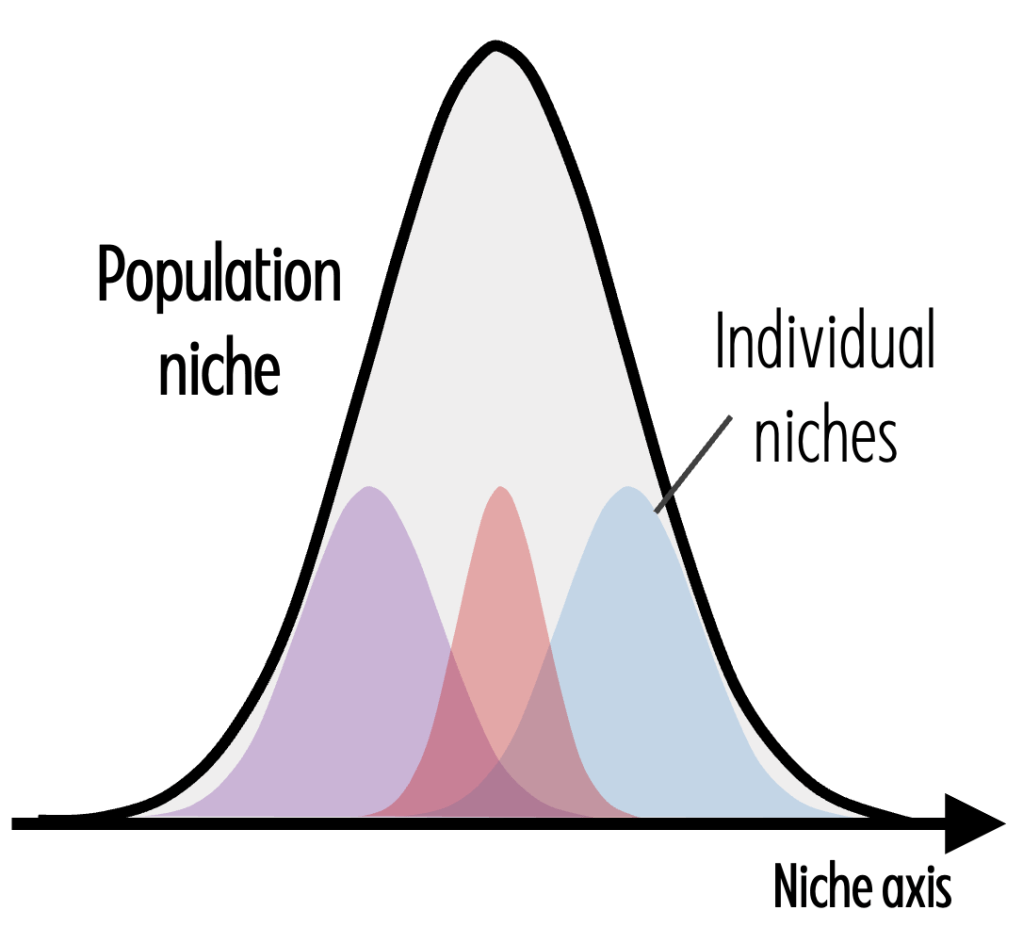
Individual niche variation
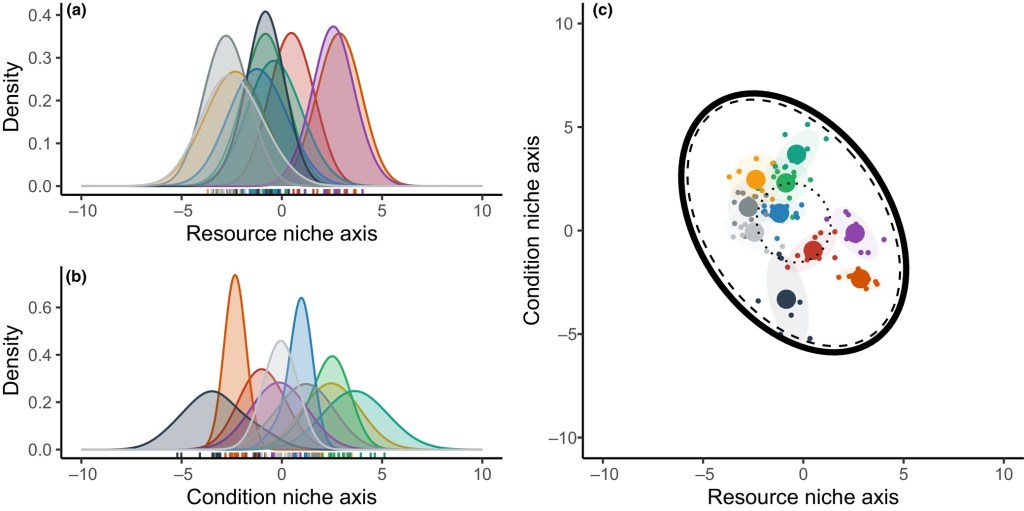
By definition, individuals are unique. Within natural populations of diverse taxa, individuals often differ in what they do: the resources they use, the conditions they experience, where they go, and when they are active. My research aims to understand the causes and consequences of intraspecific diversity and how it scales up to higher levels of biological organization.
Urban biodiversity and human social patterns
Ecologists have always been fascinated by pristine ecosystems with little human influence. Surprisingly, the biodiversity closest to us and the ecology of our daily lives remain little known. Over the last few years, my research group has broadened our focus to address real-world problems by investigating how human social patterns act as forces underpinning urban biodiversity and the hidden ecology of our homes.


Innovative tools for monitoring biodiversity from global to local
Theory-driven research does not necessarily need to be disconnected from tech-driven solutions. My research group explores a diverse toolbox of methods – passive acoustic monitoring, animal-tracking, flow-through respirometry, thermal cameras, iEcology, time-lapse cameras, cam-traps, and environmental DNA – to understand biodiversity patterns from global to local scales.
Food web structure and functioning
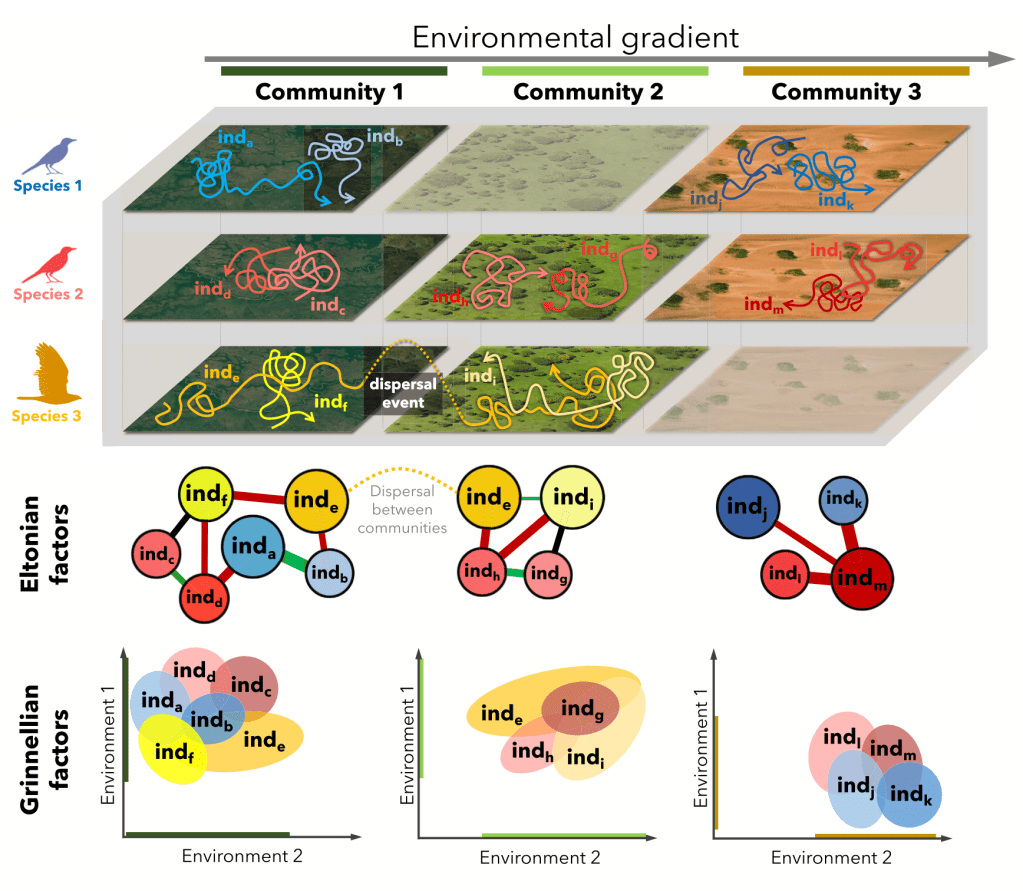
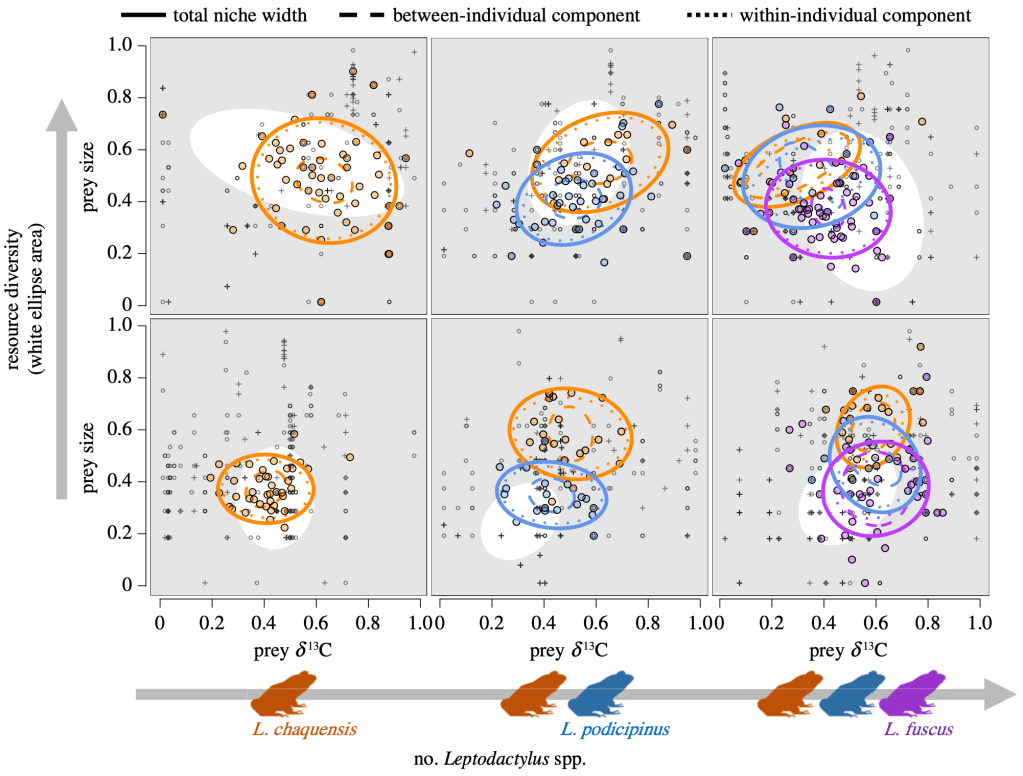
Food webs rewire in space and time based on how individual consumers interact with their resources. Rather than studying food webs from a classic species-based perspective, I integrate theory and empirical data to investigate the forces governing predator-prey links at the individual level and how it matters for community patterns and conservation.


Human impacts on ecological interactions
Anthropogenic impacts do not affect all individuals and species in the same way. Human activities – from size-selective harvesting to deforestation – often impact or target certain individuals within natural populations (e.g., the largest, the oldest). I am interested in understanding how human impacts erode intraspecific diversity and precipitate changes in species interactions.
 Intraspecific diversity